
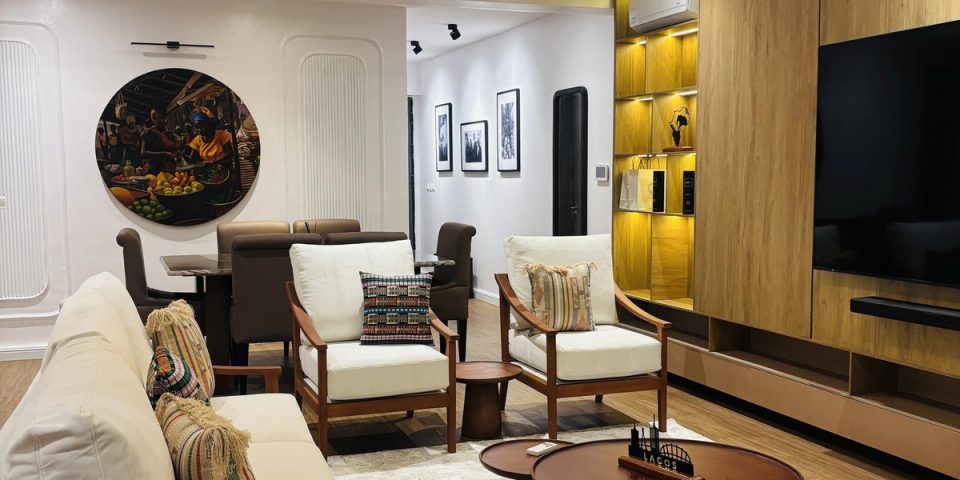
Search for "the best interior design company in Lagos" and you will mostly find lists. Fifteen names, a paragraph each, written by the firms themselves. None of these lists says how its firms were picked. Very few show work that was actually finished and lived in.
The best company for one client can be the wrong one for the next, so a ranked list can't settle it for you. What you can do is learn what a good firm looks like up close: how it prices, how it works and what it puts in writing. This guide takes you through it.
Decide what kind of help you need
Interior work in Nigeria is spread across several kinds of business, and they are easy to mix up.
- Interior designers plan the space: layout, lighting, materials, furniture and how the rooms work together.
- Decorators work on the surface: colour, soft furnishings, styling and accessories.
- Furniture makers and fabricators build the pieces to a drawing or brief.
- Turnkey firms take a project from design to installation and manage the trades in between.
If your space mostly needs styling, a decorator may be enough. If the layout doesn't work, or you need custom pieces to fit odd dimensions, you need design and production working together. Many disappointing projects start with the wrong kind of firm. A decorator gets hired for a planning problem, or a furniture shop ends up being treated as a designer.
Look for finished work, not just renders
A 3D render shows you an idea. A photograph of a finished room shows you something that was actually built. Ask every firm on your shortlist which images are completed projects and which are concepts or reference photography. A good firm will tell you straight away.
Then go further than the portfolio:
- Ask to speak to one or two past clients, ideally from a project like yours.
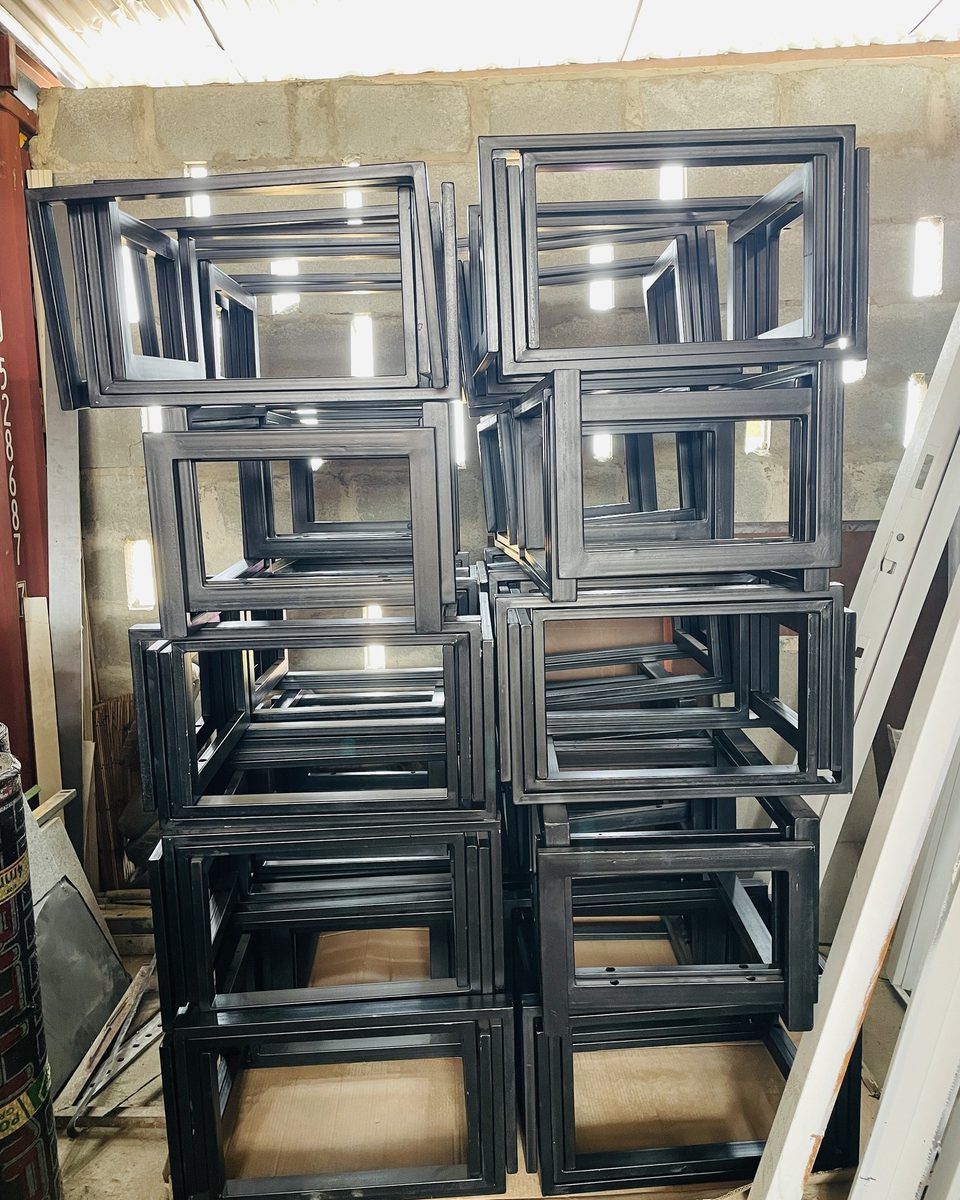
- Visit the studio or workshop. You learn a lot from seeing where things are made and who makes them.
- Check the business is registered with the Corporate Affairs Commission, and that payments go to a company account.
Interior design is not a licensed profession in Nigeria. The Interior Designers Association of Nigeria is the main professional body, but membership is optional. Neither membership nor a big following tells you much on its own. Work you can inspect and clients you can call tell you more.
Understand how fees are structured
There is no standard price for interior design in Nigeria. Published guides from Lagos firms in 2026 describe several fee models, often used side by side:
- Consultation fees, sometimes credited against the project if you go ahead.
- A percentage of the project cost, commonly quoted at around 10–20%.
- A flat design fee for a defined scope, such as one room or one floor.
- A markup on furniture and materials the firm buys for you.
The figures vary widely by location, scope and finish, so treat any number you read online as a rough range. C. Luxe Interiors and Oak and Teak Interiors have both published detailed breakdowns if you want a starting point.
What matters more than the headline fee is whether the quote separates design, furniture, materials and installation. If it does, you can see where the money goes and decide what to change. One lump sum hides all of that.
Ask what is made locally and what is imported
Imported furniture and finishes are often priced against the dollar, so a quote can move between the deposit and delivery. Ask each firm:
- Which items are imported, and how long is the quoted price valid?
- If the exchange rate moves, who absorbs the difference?
- Are there local alternatives that would reduce the risk?
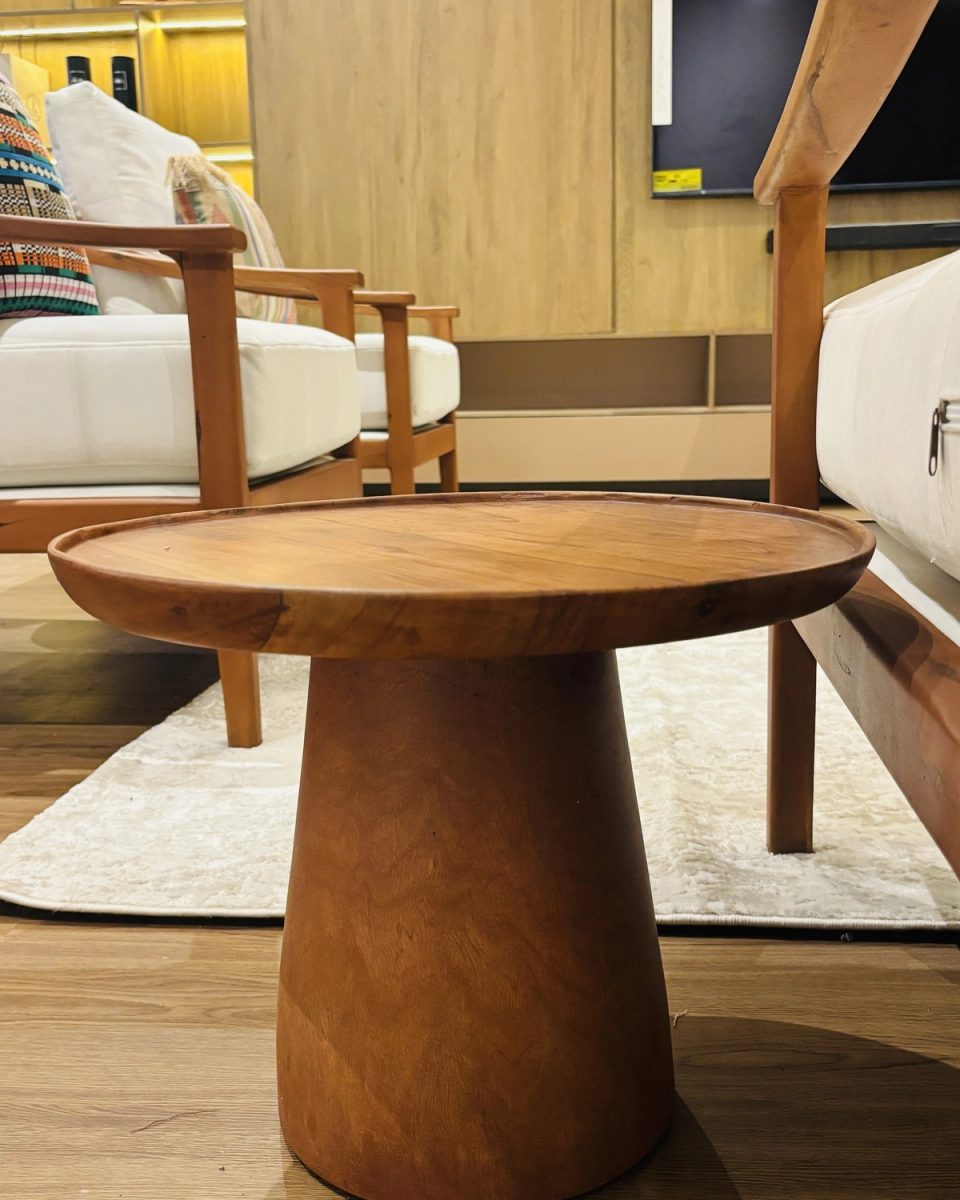
Climate is the other half of the question. Heat, humidity, termites and harsh sun all affect how timber, fabric and finishes age. Nigerian designers interviewed by The Guardian and BusinessDay have said that locally made pieces can stand up to these conditions better than some imports. A firm that makes furniture itself should be able to explain its timber choices, how wood is seasoned and treated, and which upholstery fabrics hold up in your room.
Tie payments to progress you can see
Upfront payments are the most common source of trouble in Nigerian building and interior projects. A deposit is normal. Paying most of the total before anything has been made is a risk you don't need to take.
A safer arrangement links each payment to something you can check:
- An agreed design, drawings and quotation before production starts.
- A visit to the workshop, or photos and video of pieces in progress, before the next payment.
- Delivery, installation and a final walk-through before the last payment.
Put the scope, materials, timeline and payment stages in writing. If a firm won't commit to a written scope, that tells you something.
Make art part of the plan, not the last purchase
Art is usually the last thing added to a room, and often the first thing cut when the budget runs low. It works better when you plan for it from the start. A wall built around a particular painting, or a sideboard sized to sit under a framed textile, makes a room feel deliberate.
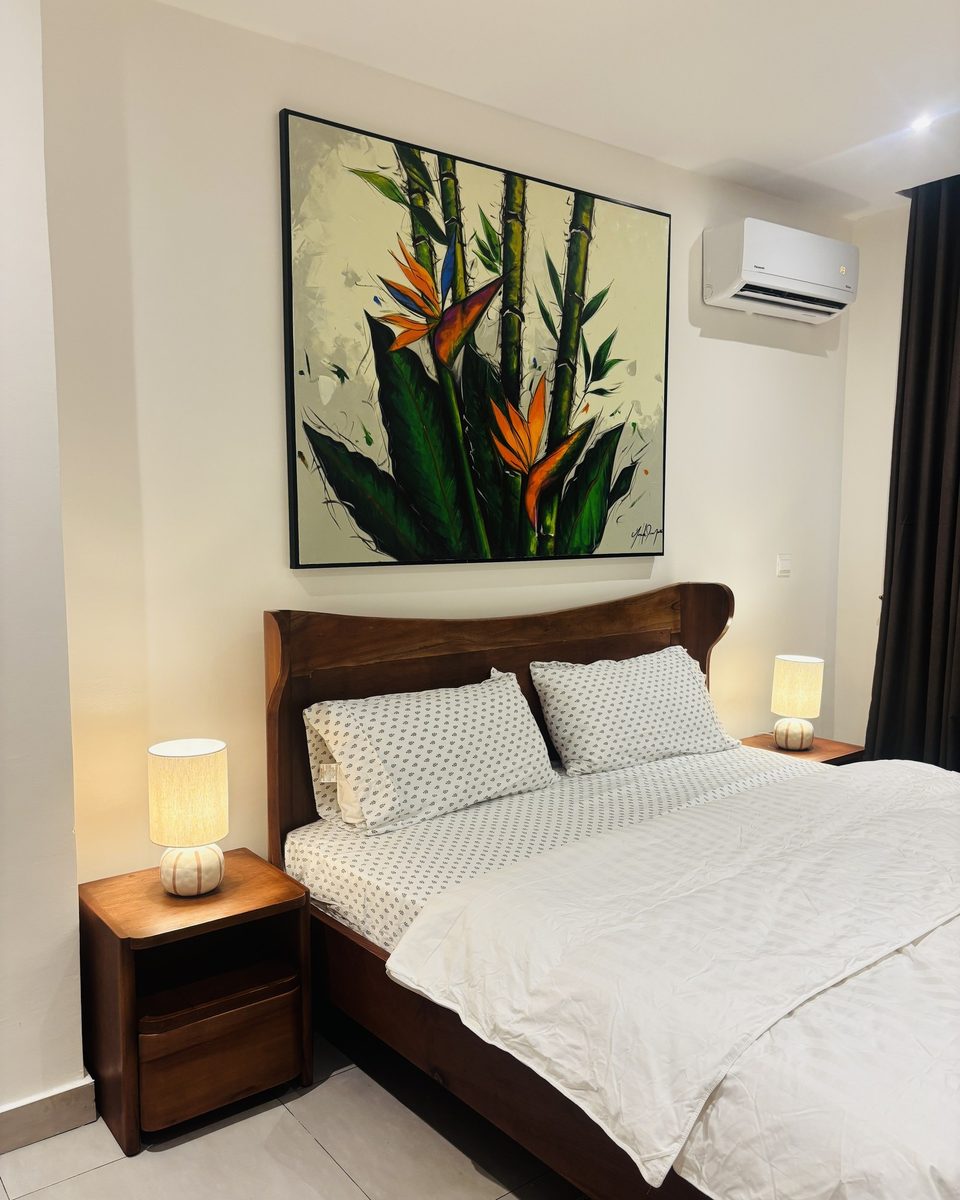
Lagos has a strong art scene, from established galleries to fairs such as ART X Lagos and artists who sell directly. When you speak to a design firm, ask:
- Will they help source or commission art, or work around pieces you already own?
- How will artwork be framed, hung and lit?
- How will it be protected from humidity and direct sun?
A firm that thinks about art early is usually thinking about the whole room, not just filling it.
If you are planning from abroad
Many clients furnish a home in Nigeria while living elsewhere. You can do it well, but you need more structure:
- Agree how you will approve decisions: drawings, material samples, video walk-throughs.
- Ask for regular progress updates with photos and video, tied to the payment stages above.
- Pay only by traceable transfer to a company account.
- If you can, name someone local to attend key visits on your behalf.
Questions to ask before you hire
Take these to every first conversation:
- Which of these images are finished projects?
- Can I speak to a past client and visit your workshop?
- What is included in your fee, and what is charged separately?
- Which items are made locally and which are imported?
- How long is this quote valid, and what happens if prices change?
- How are payments staged, and what do I see before each one?
- Who makes the furniture, and who installs it?
- Can you help with art, lighting and finishing as well as layout?
Where DIY Africans fits
DIY Africans is based in Yaba, Lagos. Our Interiors team designs and furnishes homes and commercial spaces, from a single room to a full fit-out, and our Projects team makes custom furniture to fit them. That means the people planning your room can talk directly to the people building its pieces.
Every project follows the same four steps. We listen to your idea, then agree the design, materials, scope and quotation before any work begins. After that, pieces are made, finished and checked. Delivery and installation bring it all together.
You don't need a finished plan to start. A few photos, rough dimensions and an idea of your budget are enough. Tell us about your space, or message the Interiors team on WhatsApp.